Call us now :
 Send Inquiry
Carbon Fiber Tube
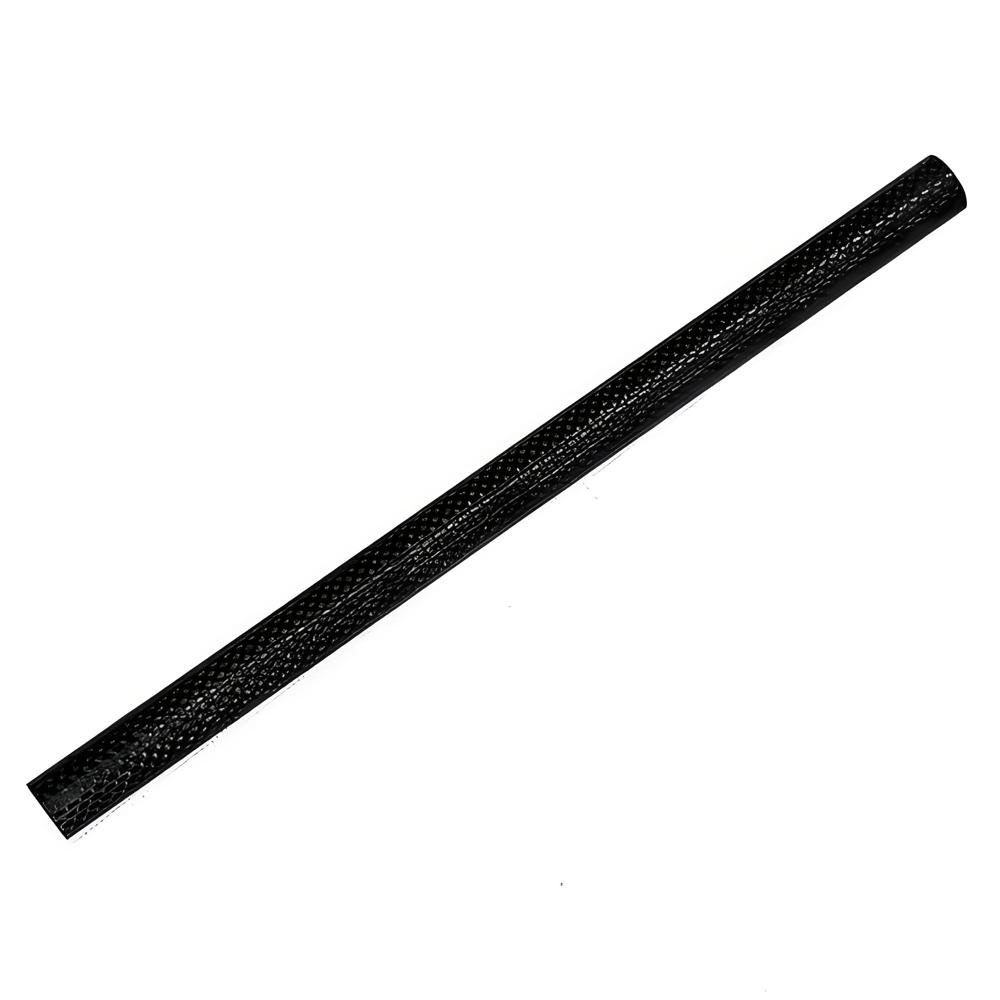

Carbon Fiber Tube Specification
- Life Span
- 1
- Tolerance
- 0.01 Millimeter (mm)
- Size
- 1
- Height
- 1 Millimeter (mm)
- Product Type
- CFRP
- Weight
- 1 Kilograms (kg)
- Color
- ANY
- Width
- 1 Millimeter (mm)
- Length
- 1 Meter (m)
Carbon Fiber Tube Trade Information
- Minimum Order Quantity
- 1 Unit
- FOB Port
- QINGDAO
- Payment Terms
- Cheque, Telegraphic Transfer (T/T)
- Supply Ability
- 1 Unit Per Year
- Delivery Time
- 1 Days
- Sample Available
- No
- Sample Policy
- Contact us for information regarding our sample policy
- Main Export Market(s)
- Asia, Central America, North America, South America, Eastern Europe, Western Europe, Middle East
- Main Domestic Market
- All India
Carbon Fiber Tube About
Carbon fiber (or fibre)-reinforced polymers are extremely strong and light fiber-reinforced plastics that contain carbon fibers. CFRPs can be expensive to produce, but are commonly used wherever high strength-to-weight ratio and stiffness (rigidity) are required, such as aerospace, superstructures of ships, automotive, civil engineering, sports equipment, and an increasing number of consumer and technical applications.
The binding polymer is often a thermoset resin such as epoxy, but other thermoset or thermoplastic polymers, such as polyester, vinyl ester, or nylon, are sometimes used. The properties of the final CFRP product can be affected by the type of additives introduced to the binding matrix (resin). The most common additive is silica, but other additives such as rubber and carbon nanotubes can be used.
Carbon fiber is sometimes referred to as graphite-reinforced polymer or graphite fiber-reinforced polymer (GFRP is less common, as it clashes with glass-(fiber)-reinforced polymer).
High-Precision Carbon Fiber Tube
Our carbon fiber tube is built with utmost precision, providing a tight tolerance of 0.01 millimeter. This ensures consistent fit and reliability in sensitive engineering contexts such as aeronautics, robotics, or custom manufacturing. Its minimal weight and customizable color options make it ideal for both aesthetic and functional projects.
Versatility in Industrial Applications
Thanks to its low weight, slim dimensions, and adaptable color selection, this tube serves a broad range of industries. Whether you require it for structural frameworks, creative design, or technical assembly, its robust fiber composition and concise tolerance guarantee stability and performance.
FAQ's of Carbon Fiber Tube:
Q: How is this carbon fiber tube typically used in industry?
A: This carbon fiber tube is commonly applied in fields like robotics, aerospace, sports equipment, and manufacturing due to its lightweight yet durable construction and high dimensional accuracy.Q: What makes this carbon fiber tube beneficial compared to metal alternatives?
A: The tube's low weight (1 kg), high strength, and corrosion resistance make it preferable in applications where reduced mass, durability, and longevity are priorities.Q: When should I consider using this carbon fiber tube over traditional materials?
A: You should consider this product when your project demands minimal weight without compromising strength or when precise dimensions with a tolerance of 0.01 mm are required.Q: Where can the carbon fiber tube be installed?
A: These tubes are suitable for installation in custom assemblies, lightweight structural parts, gadget frameworks, and anywhere space is limited but strength is necessary.Q: What is the manufacturing process for this carbon fiber tube?
A: The tube is typically manufactured through a filament winding or pultrusion process, ensuring uniformity and strength along the entire 1-meter length.Q: How long does the carbon fiber tube last under standard usage?
A: The expected lifespan under normal conditions is 1 year, making it suitable for both short-term and moderately sustained applications.Q: What key advantage does the precise tolerance offer during usage?
A: The 0.01 mm tolerance ensures a snug fit in high-precision assemblies, reducing the challenges of alignment and improving the final build quality.Tell us about your requirement

Price:
Quantity
Select Unit
- 50
- 100
- 200
- 250
- 500
- 1000+
Additional detail
Mobile number
Email

More Products in FRP Pultrusion Machine Category
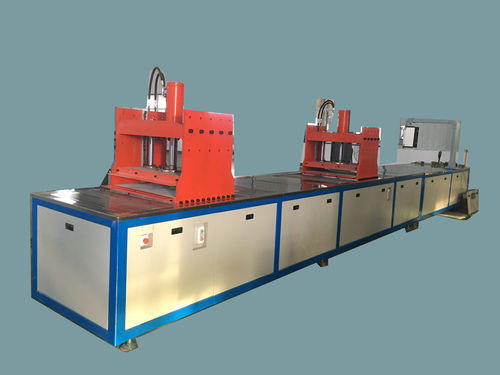
Hydraulic Press Pultrusion Equipment
Price 12,50,000 INR / Piece
Minimum Order Quantity : 1 Piece
Material : Other, Mild Steel
General Use : Industrial
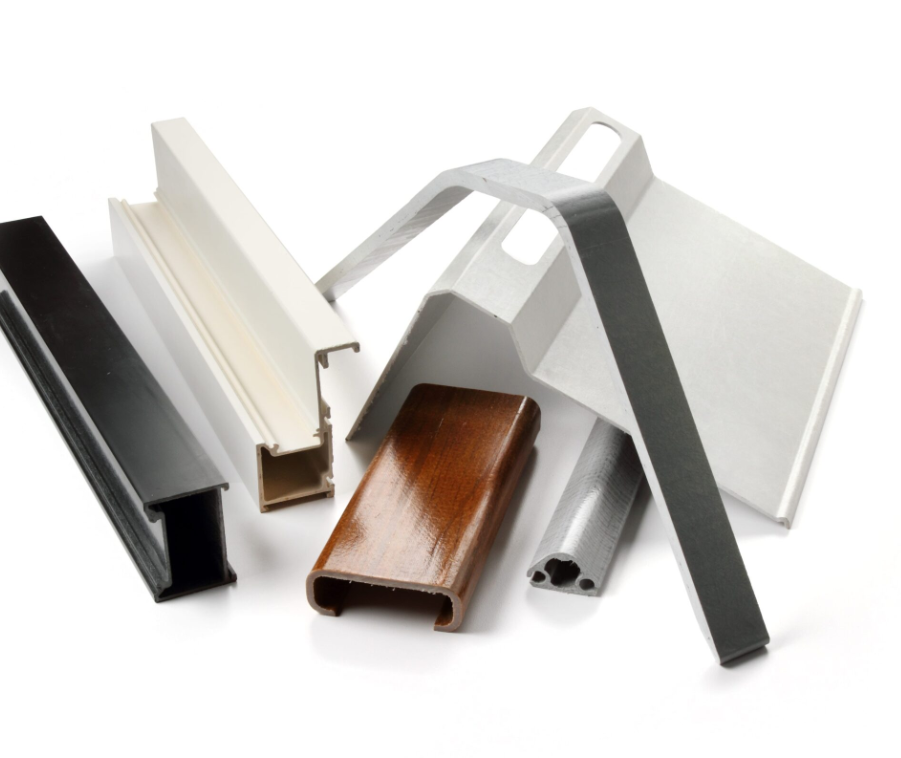
FRP Channel
Price 1.0 USD ($) / Meter
Minimum Order Quantity : 1 Meter
Material : Other, FRP (Fiber Reinforced Plastic)
Tolerance : 2 mm
General Use : Structural support industrial applications
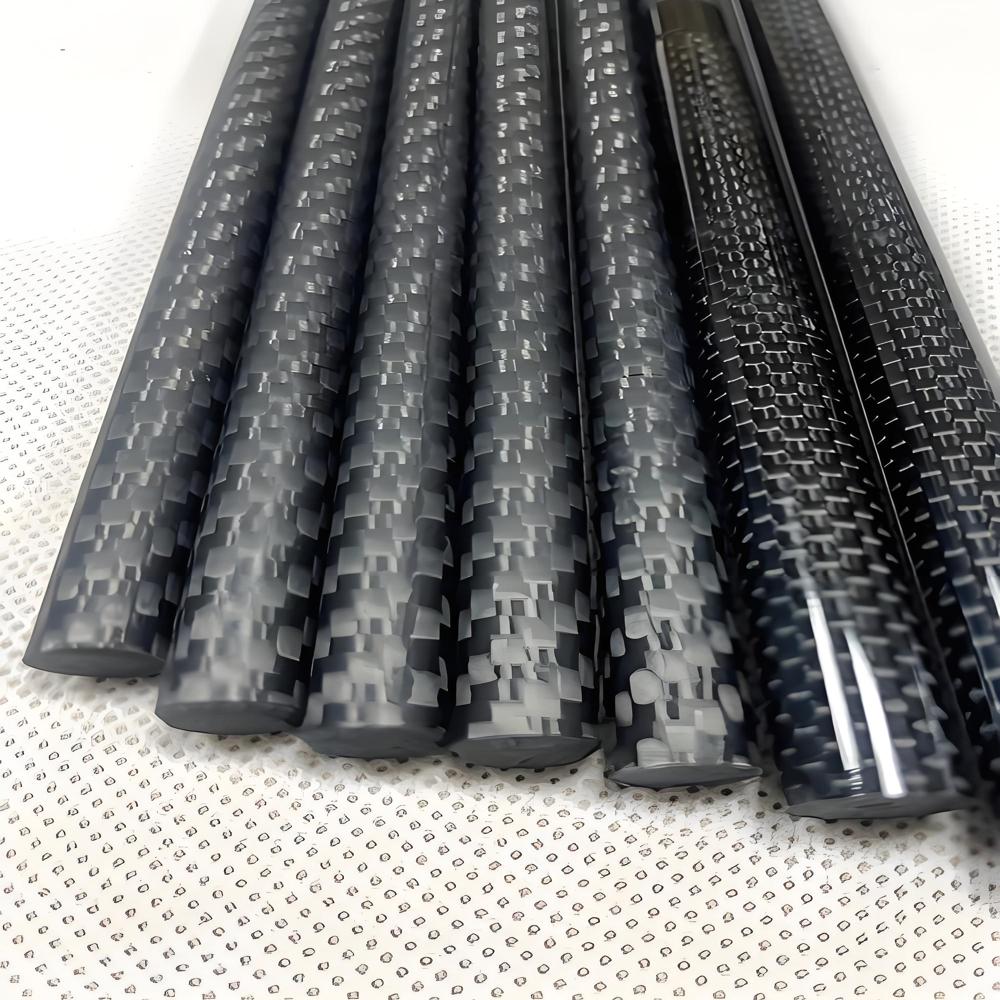
Carbon Fiber Rod
Minimum Order Quantity : 1 Ton
Material : Other, 100% Carbon Fiber
Tolerance : 0.05 mm
Shaping Mode : Other, Extrusion
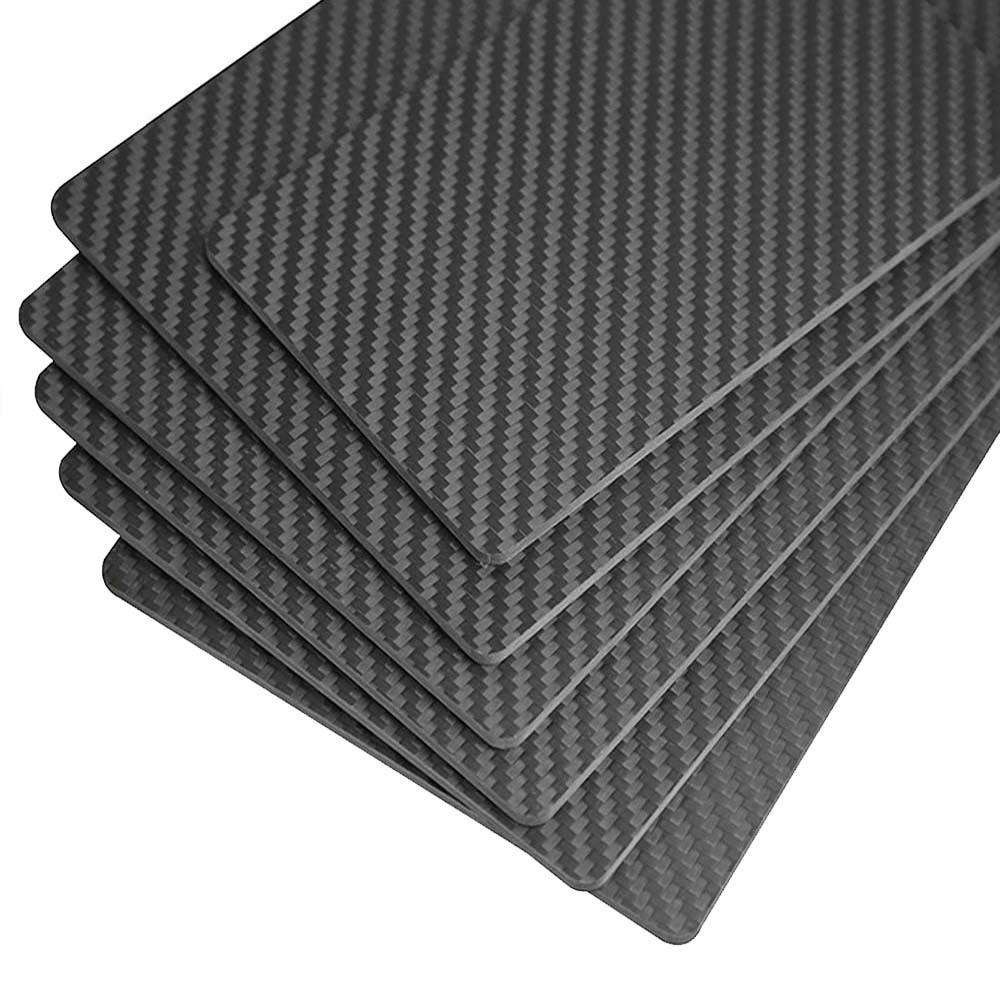
Carbon Fiber Sheet
Minimum Order Quantity : 1 Piece
Material : Other
Tolerance : 0.1 Millimeter (mm)
Shaping Mode : Other

 Send Inquiry
Our Products


Lizhuang Industrial Area,Xinxiang - 453000, Henan, China

Mr Cangsong Li
(General Manager)
Mobile :+8615836155096, +8618322109006
 Send Inquiry
Developed and Managed by Infocom Network Private Limited.
