Call us now :
 Send Inquiry
Carbon Fiber Sheet
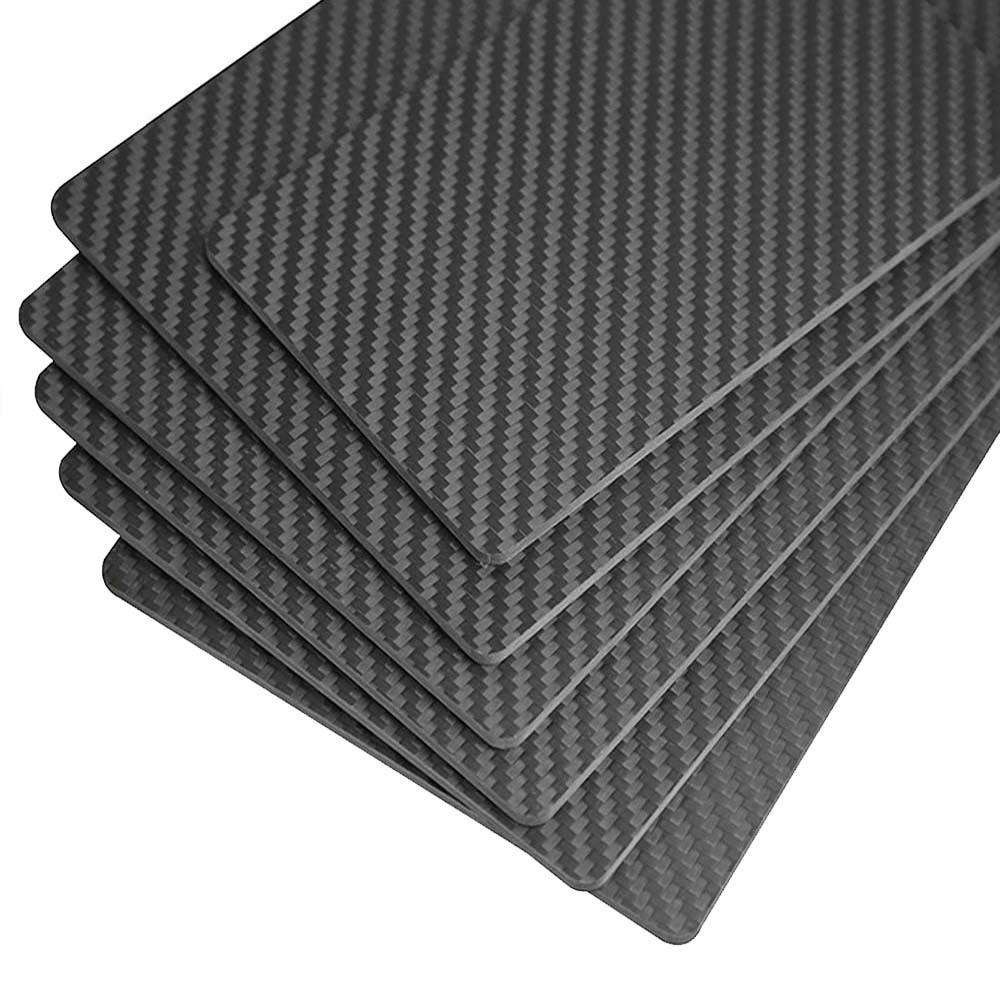

Carbon Fiber Sheet Specification
- Mould Base
- Carbon Fiber Epoxy Composite
- Working Process
- Other
- Life Span
- Over 10 Years
- Core Material
- High-Strength Carbon Fiber
- Tolerance
- 0.1 Millimeter (mm)
- Material
- Other
- Shaping Mode
- Other
- Water Absorption
- <0.1%
- Width
- Up to 500 mm
- Electrical Conductivity
- High
- Tensile Strength
- 3500 MPa
- Density
- 1.5-1.6 g/cm3
- Tensile Modulus
- 230 GPa
- Color
- Black
- Length
- Up to 1000 mm
- Heat Resistance
- Up to 180C
- Surface Finish
- Glossy / Matte
- Thickness
- 0.5 mm to 5 mm
Carbon Fiber Sheet About
Carbon fiber (or fibre)-reinforced polymers are extremely strong and light fiber-reinforced plastics that contain carbon fibers. CFRPs can be expensive to produce, but are commonly used wherever high strength-to-weight ratio and stiffness (rigidity) are required, such as aerospace, superstructures of ships, automotive, civil engineering, sports equipment, and an increasing number of consumer and technical applications.
The binding polymer is often a thermoset resin such as epoxy, but other thermoset or thermoplastic polymers, such as polyester, vinyl ester, or nylon, are sometimes used. The properties of the final CFRP product can be affected by the type of additives introduced to the binding matrix (resin). The most common additive is silica, but other additives such as rubber and carbon nanotubes can be used.
Carbon fiber is sometimes referred to as graphite-reinforced polymer or graphite fiber-reinforced polymer (GFRP is less common, as it clashes with glass-(fiber)-reinforced polymer).
Exceptional Mechanical Properties
This carbon fiber sheet demonstrates remarkable strength-to-weight ratio, with a tensile strength of 3500 MPa and a modulus of 230 GPa. It remains dimensionally stable under stress, making it an optimal choice for high-performance structural and engineering applications.
Versatile Sizes and Finishes
Available in thicknesses from 0.5 mm to 5 mm, and customizable up to 500 mm in width and 1000 mm in length, this sheet meets diverse project requirements. Choose between glossy and matte finishes to match your application's aesthetic and functional needs.
Superior Durability and Resistance
Constructed from 100% carbon fiber with an epoxy composite core, the sheet offers superior heat resistance (up to 180C) and minimal water absorption. Its service life exceeding 10 years ensures long-term reliability in critical environments.
FAQ's of Carbon Fiber Sheet:
Q: How is the carbon fiber sheet manufactured?
A: The sheet is produced using compression molding with carbon fiber epoxy composite as the mould base and high-strength carbon fiber as the core material. Advanced cutting, molding, and finishing processes ensure high precision and quality.Q: What are the main benefits of using this carbon fiber sheet?
A: Key benefits include excellent mechanical strength, lightweight structure, high heat and water resistance, electrical conductivity, and minimal maintenance. Its long lifespan and stable performance make it suitable for demanding industrial applications.Q: Where can these carbon fiber sheets be used?
A: They are ideal for aerospace, automotive, marine, sporting goods, robotics, and manufacturing industries, where strength, weight reduction, and durability are critical factors.Q: What surface finishes are available for the sheets?
A: Customers can choose between a glossy or matte surface finish, depending on their aesthetic preferences and application requirements.Q: Can the sheet withstand high temperatures?
A: Yes, the sheet offers heat resistance up to 180C, making it suitable for environments with elevated operating temperatures.Q: How precise are the thickness and dimensions?
A: The manufacturing process maintains a tolerance of 0.1 mm, ensuring consistent thickness and precise dimensions for a perfect fit in your applications.Tell us about your requirement

Price:
Quantity
Select Unit
- 50
- 100
- 200
- 250
- 500
- 1000+
Additional detail
Mobile number
Email

More Products in FRP Pultrusion Machine Category
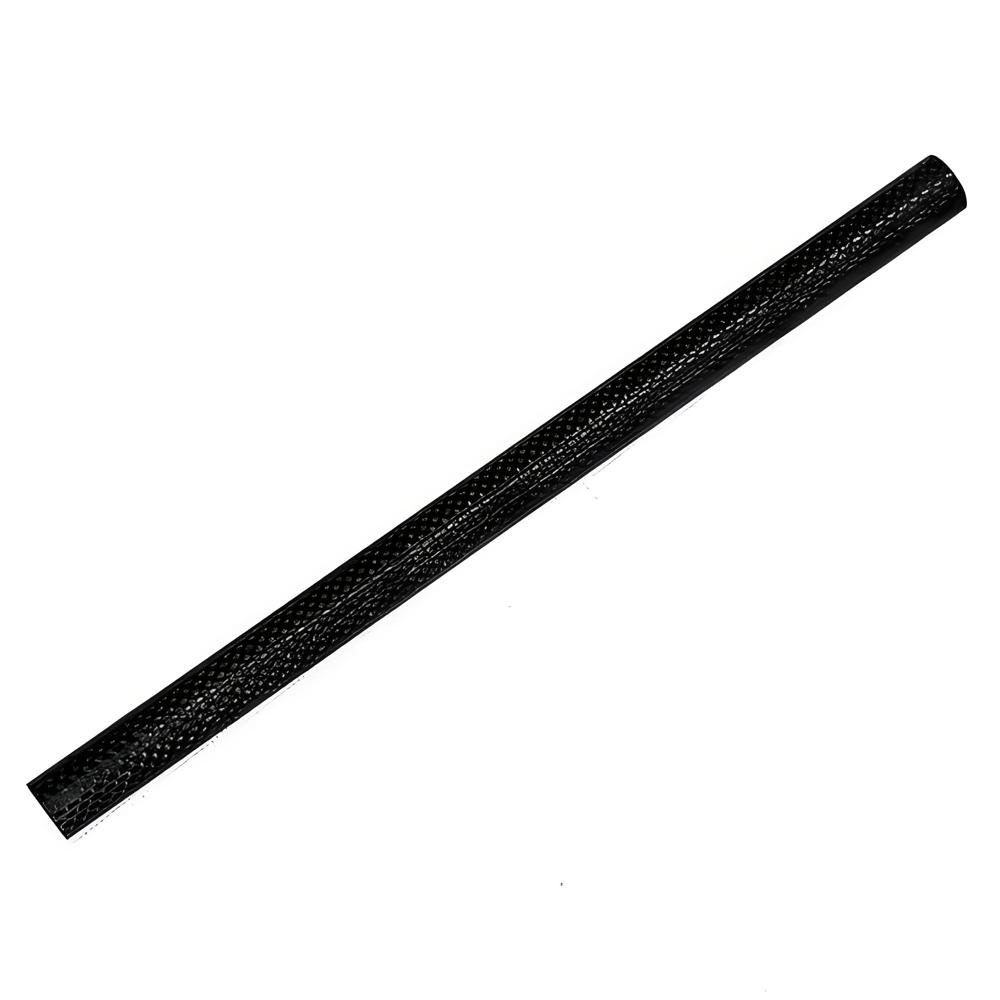
Carbon Fiber Tube
Price 1.0 USD ($) / Unit
Minimum Order Quantity : 1 Unit
Tolerance : 0.01 Millimeter (mm)
Color : ANY
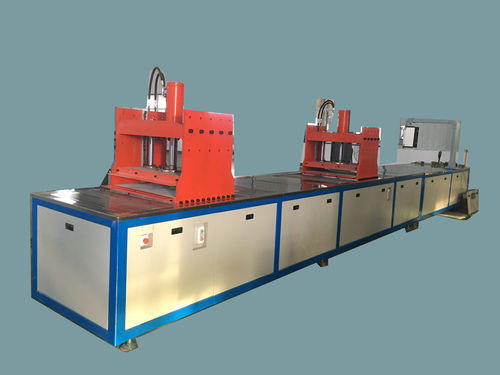
Hydraulic Press Pultrusion Equipment
Price 12,50,000 INR / Piece
Minimum Order Quantity : 1 Piece
Material : Other, Mild Steel
Control System : PLC Control
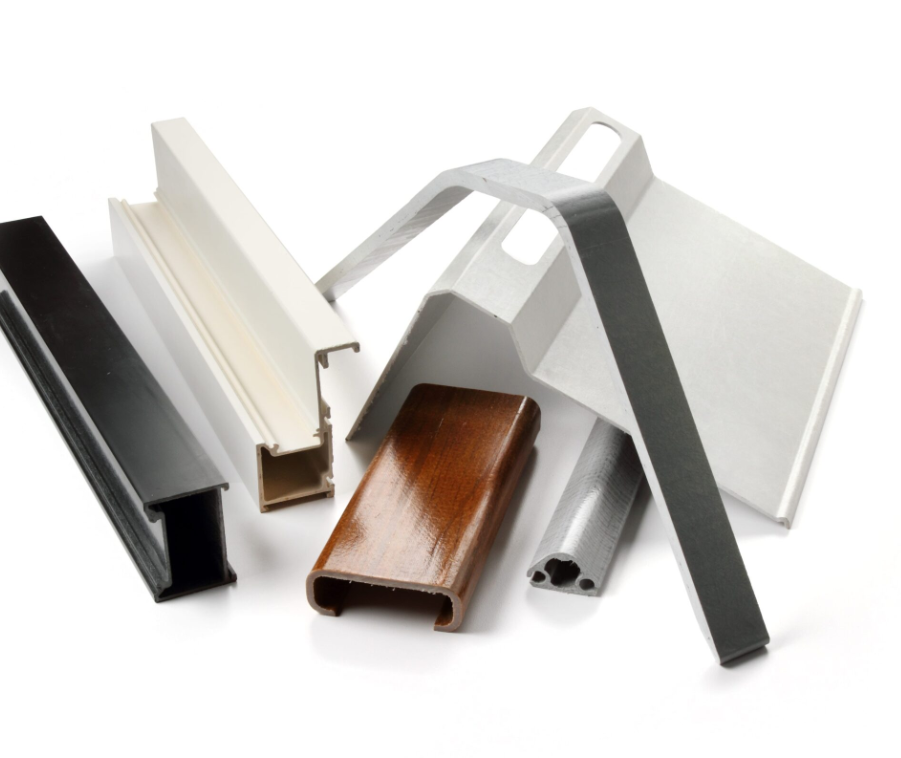
FRP Channel
Price 1.0 USD ($) / Meter
Minimum Order Quantity : 1 Meter
Tolerance : 2 mm
Material : Other, FRP (Fiber Reinforced Plastic)
Color : Gray
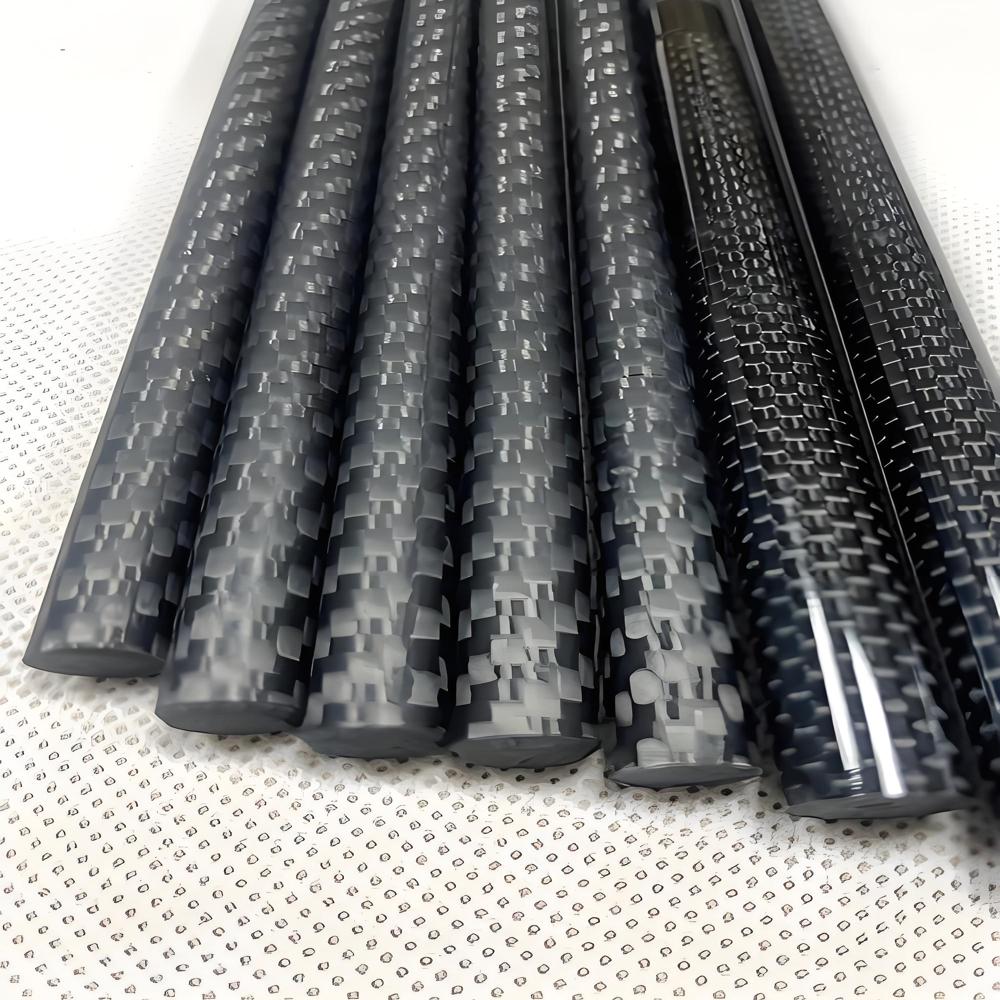
Carbon Fiber Rod
Minimum Order Quantity : 1 Ton
Tolerance : 0.05 mm
Material : Other, 100% Carbon Fiber

 Send Inquiry
Our Products


Lizhuang Industrial Area,Xinxiang - 453000, Henan, China

Mr Cangsong Li
(General Manager)
Mobile :+8615836155096, +8618322109006
 Send Inquiry
Developed and Managed by Infocom Network Private Limited.
